Why this is the decision that matters most
When UK patients have a bad experience abroad, it is rarely bad luck — it usually traces back to recognisable warning signs that were there before they booked. The single most protective thing you can do is shift your thinking from "which clinic has the best package?" to "who exactly is my surgeon, and are they accountable?" Get that right and most other risks shrink dramatically.
The credentials that actually matter
Qualifications can look impressive and mean little, so focus on the ones that count:
- Board certification in plastic surgery — a genuine plastic, reconstructive and aesthetic surgery qualification, not a vague "aesthetic doctor" title. International fellowships such as FEBOPRAS (European Board of Plastic, Reconstructive and Aesthetic Surgery) and FACS (Fellow of the American College of Surgeons) are strong, verifiable markers.
- Membership of recognised societies — for example ISAPS (International Society of Aesthetic Plastic Surgery), EBOPRAS, or ASPS. These bodies have standards and you can check membership.
- An accredited hospital — surgery should take place in a properly accredited hospital with full anaesthetic and emergency facilities, not a back-room clinic. Turkey's Ministry of Health health-tourism authorisation is a meaningful baseline for clinics treating international patients.
- The surgeon does your operation — confirm the named surgeon who assesses you is the one who will operate. "Ghost surgery", where someone other than the advertised surgeon performs the procedure, is a documented problem in cut-price clinics.
The questions to ask before you book
A serious surgeon welcomes these; a package-seller dodges them:
- Who exactly will perform my surgery, and what are their qualifications? Can I verify them?
- Will I have a proper consultation with the surgeon — not just a sales coordinator — before I commit?
- Which hospital will I be operated in, and is it accredited?
- How many of this specific procedure has the surgeon done?
- What is the realistic recovery time, and how long before I can fly home safely?
- What aftercare do you provide, and who do I contact if there's a problem when I'm back in the UK?
- Can you show me before-and-after photos of your own patients?
The red flags that should stop you
If you see these, walk away — they are the common thread in the worst outcomes UK patients have suffered:
- No named, accountable surgeon — you're sold a "clinic" or a "package" but can't pin down who actually operates.
- Pressure and last-minute add-ons — being pushed to commit quickly, pay large non-refundable deposits, or agree to extra procedures you didn't plan. Several tragic cases involved operations bolted on at the last minute.
- Rock-bottom, too-good-to-be-true pricing — the headline-making complications cluster around the cheapest deals. Safe surgery has real costs.
- Multiple big procedures in one trip — combining, say, a BBL, tummy tuck and liposuction in a single sitting greatly increases anaesthetic and clotting risk. A responsible surgeon limits total operating time and will say no when something isn't safe.
- No clear aftercare — if no one can tell you what happens if you have a problem at home, that's a serious gap.
- Surgery sold as a holiday — be wary of anyone marketing sightseeing-and-surgery. You need to rest and recover, not tour.
What good looks like
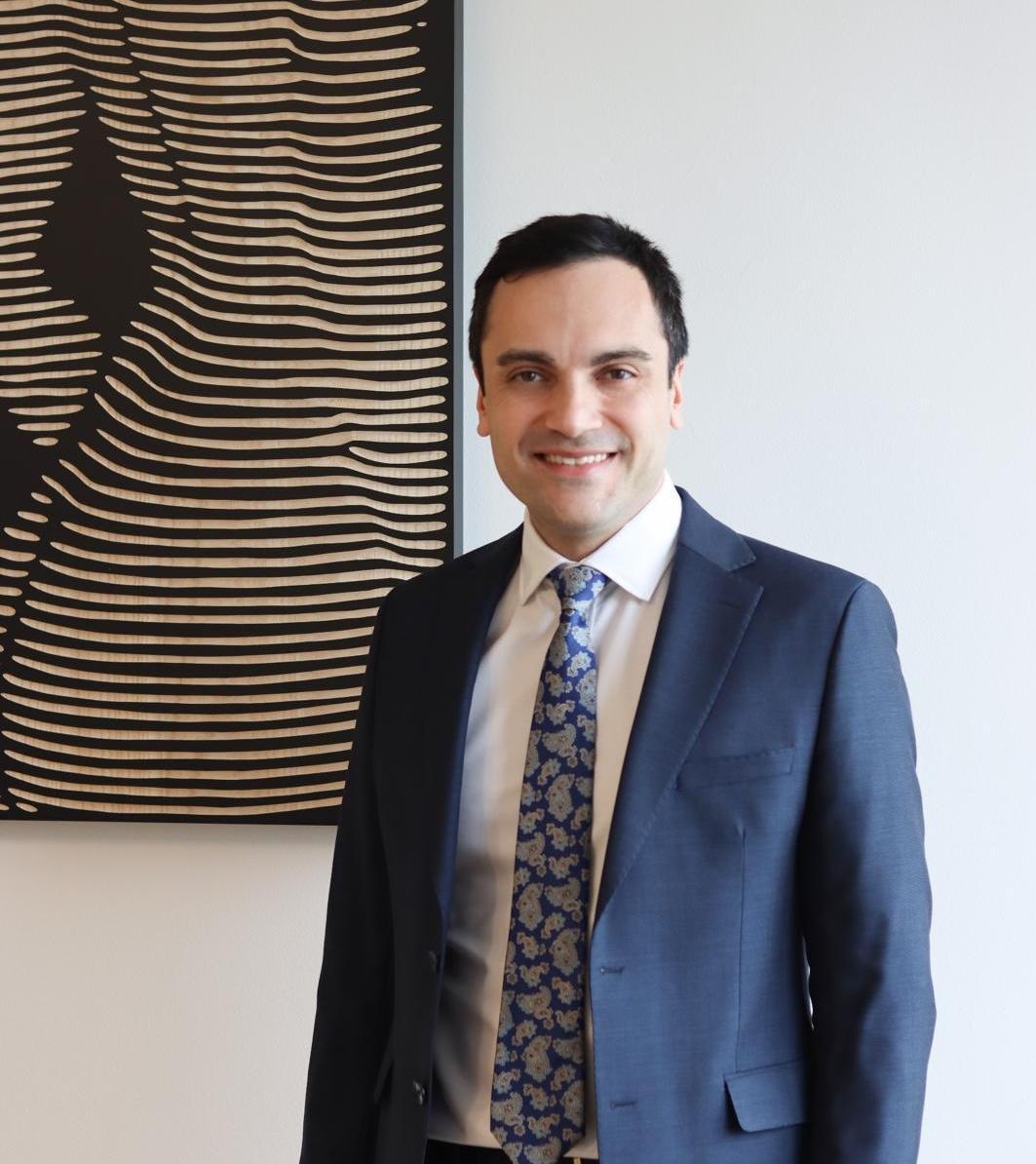
A reassuring picture is straightforward: a named, board-certified plastic surgeon who assesses you personally, operates on you in an accredited hospital, plans a sensible single set of procedures, builds in proper recovery time before you fly, and gives you a clear line of contact for aftercare. You can read about Dr Erdal's credentials on the about page, how the trip is structured on the patient journey, and the wider safety picture in is it safe.
The bottom line: you are not really choosing a city or a price — you are choosing a surgeon. Insist on knowing who they are, verify their credentials, ask the direct questions above, and let the red flags do their job. That one discipline is what separates the patients who are glad they went from the ones who end up in the headlines.