Safety & standards

Is it safe to have cosmetic surgery in Istanbul?

It's the right question to ask. Istanbul is a major, regulated medical destination — but outcomes depend hugely on who you choose. Here's an honest guide to having surgery there safely.

Istanbul is one of the world's largest cosmetic surgery destinations, with hundreds of Ministry of Health–certified clinics and accredited hospitals. Like anywhere, safety depends on choosing a properly qualified surgeon operating in an accredited hospital — not the cheapest package. Check credentials, accreditation, anaesthesia and aftercare, and avoid clinics that compete only on price. This is general guidance, not medical advice.

Istanbul as a medical destination

Istanbul isn't a fringe choice — it's one of the busiest cosmetic surgery destinations in the world, with a large, established medical-tourism ecosystem. The city has hundreds of clinics operating under Turkish Ministry of Health certification and many internationally accredited hospitals, and Turkey treats well over a million international patients a year. UK demand specifically has grown enormously. That scale brings genuine expertise and infrastructure.

But scale also means variety: the very best surgeons and hospitals sit alongside operators competing purely on price. Safety is about which end of that spectrum you choose.

What actually makes surgery safe

Wherever in the world you have surgery, the same things reduce risk:

  • A properly qualified, board-certified surgeon with genuine expertise in your specific procedure.
  • An accredited hospital with proper facilities — not an unregulated clinic.
  • A qualified anaesthetist and proper monitoring during surgery.
  • An honest assessment — a surgeon who tells you if you're not a good candidate, rather than selling you everything.
  • Clear aftercare, including a plan for when you're home and what to do if something's wrong.

None of these are unique to any country. What matters is insisting on all of them.

Checking your surgeon

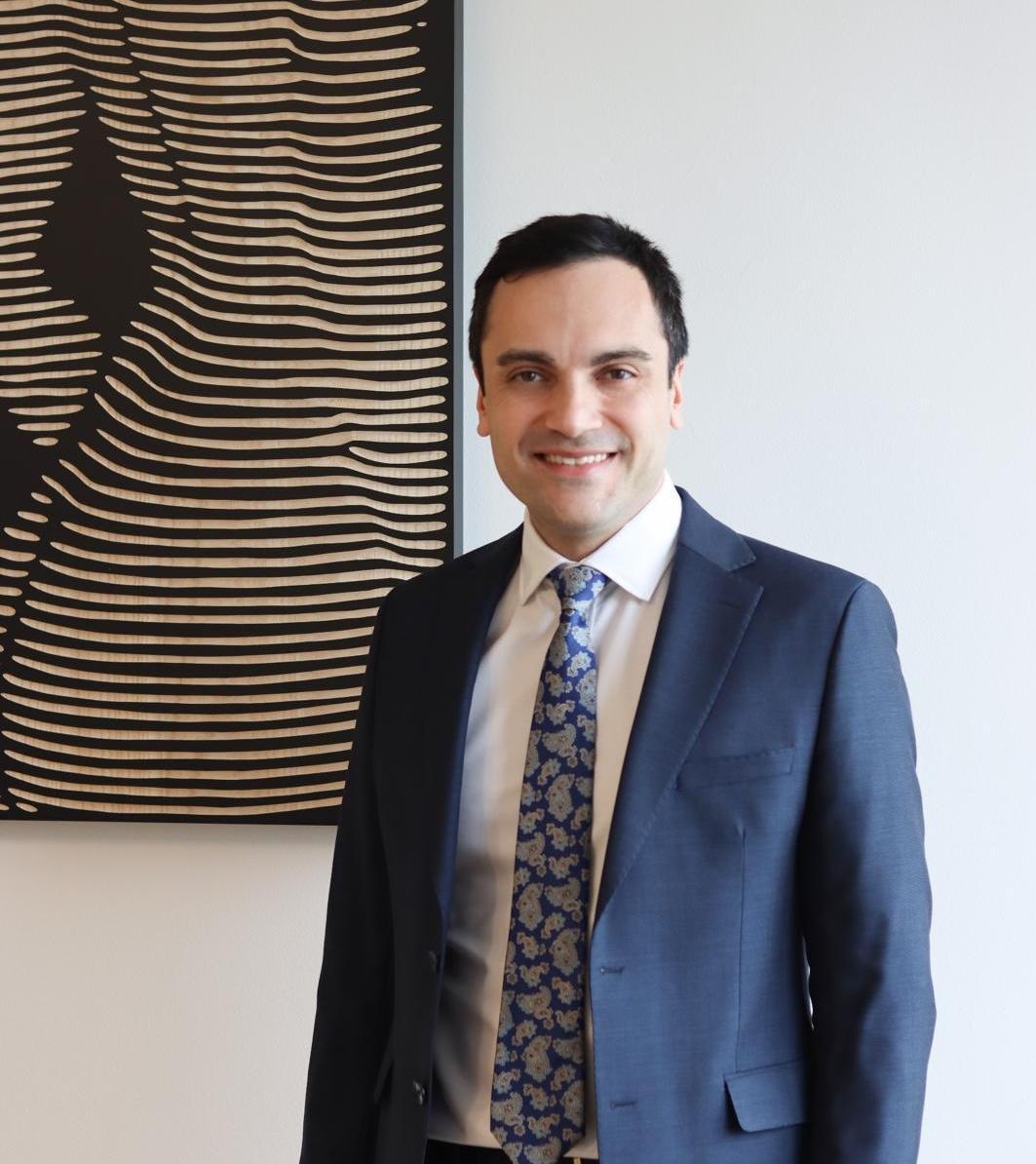
Look for verifiable credentials. For example, Dr Erdal is double board-certified (FACS and FEBOPRAS), an Associate Professor at Hacettepe University with 30+ publications, and a member of international bodies including ISAPS and ASPS — and the clinic holds the International Health Tourism Authorization Certificate from the Turkish Ministry of Health. You can read more about Dr Erdal. Credentials like these are exactly what to look for and verify in any surgeon you consider — see how to choose a surgeon.

The red flags to avoid

  • Price as the only selling point. If a package is suspiciously cheap, ask what's being cut.
  • No named, qualified surgeon — you should know exactly who is operating on you.
  • Pressure and rushing — being pushed to book quickly or decide on the spot.
  • Vague answers about the hospital, anaesthesia or aftercare.
  • Unrealistic promises — guarantees of perfection are a warning sign.
  • No proper aftercare plan for when you're back in the UK.

Your part in staying safe

You also reduce risk by being honest about your medical history, following pre- and post-op instructions, allowing enough recovery time before flying home, and arranging aftercare at home. Surgery is never zero-risk anywhere — the goal is to minimise risk through good choices on both sides.

So, is it safe? Cosmetic surgery in Istanbul can be very safe when you choose a properly qualified surgeon operating in an accredited hospital, with honest assessment and real aftercare. The danger isn't the city — it's choosing on price alone. Choose carefully and the destination is a strength, not a risk. This article is general guidance, not personal medical advice.

Questions

Frequently asked

Is it safe to have cosmetic surgery in Istanbul?
It can be very safe when you choose a properly qualified, board-certified surgeon operating in an accredited hospital, with proper anaesthesia, honest assessment and real aftercare. Istanbul is one of the world's largest, regulated medical destinations. The risk comes from choosing on price alone, not from the city itself.
How do I know if an Istanbul clinic is safe?
Check for a named, board-certified surgeon with expertise in your procedure, an accredited hospital, a qualified anaesthetist, honest assessment, and a clear aftercare plan including for when you're home. Avoid clinics that compete only on price, give vague answers, pressure you to book, or promise perfection.
What credentials should my surgeon have?
Look for verifiable board certification and relevant expertise. For example, Dr Erdal is double board-certified (FACS and FEBOPRAS), an Associate Professor with 30+ publications, and a member of international bodies such as ISAPS and ASPS, with the clinic holding the Ministry of Health tourism certificate. Verify any surgeon's credentials.
Are hospitals in Istanbul accredited?
Many are — Istanbul has numerous internationally accredited hospitals and hundreds of clinics operating under Turkish Ministry of Health certification, treating well over a million international patients a year. The key is ensuring your specific surgery takes place in a properly accredited hospital with qualified staff.
What are the red flags when choosing a clinic abroad?
Price as the only selling point, no named qualified surgeon, pressure to book quickly, vague answers about the hospital or anaesthesia, unrealistic promises or guarantees of perfection, and no proper aftercare plan for when you're back in the UK. Any of these should make you pause and look elsewhere.
Is cosmetic surgery abroad more risky than in the UK?
Surgery carries risk everywhere; what changes outcomes is the surgeon, the facility and the aftercare, not the country itself. With a properly qualified surgeon in an accredited hospital and a real aftercare plan, surgery in Istanbul can be as safe as anywhere. Choosing on price alone is what raises risk.
Keep reading

Related guides

Thinking about surgery in Istanbul?

Send Dr Erdal a message and a few photos for an honest, no-obligation opinion — including whether you're a good candidate, a recommended plan and a clear quote.